
"Santos No.2"
300 article(s) found
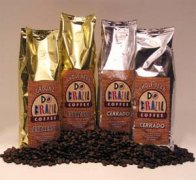
The origin of Brazilian coffee the taste of Brazilian coffee high-quality coffee variety Santos coffee
Brazilian coffee generally refers to coffee produced in Brazil. There is a wide variety of Brazilian coffee, the vast majority of which are unwashed and sun-dried, classified according to the name of the state of origin and the port of transport. Brazil has 27 states and 17 states produce coffee, but four of them produce the largest, accounting for 98% of the country's total output. Brazilian coffee has a low sour taste, which goes well with coffee.

Talking about Brazil, a big coffee producer in the world
When it comes to Brazil, everyone can always talk about it. Brazilian football is good. Brazilian coffee is a big coffee producer in the world. Its beans are sour and mild in taste, and its beans are often used to mix and make concentrated beans with nutty aroma in slightly acid. it has a long taste. Today, let's talk about Brazil, a coffee producing region. Brazil, known as the coffee kingdom, is the largest in the world.

What is the difference between Brazilian Santo Coffee and Mocha Coffee?
Professional coffee knowledge exchange More coffee bean information Please pay attention to coffee workshop (Weixin Official Accounts cafe_style) Brazil is currently the world's largest coffee producer, coffee seedlings from Ethiopia were planted in Brazil in 1727. Brazil is located in Central and South America, located in a mixed tropical and subtropical climate, unique geographical and climatic conditions are very suitable for coffee cultivation, coffee cultivation industry

Brazil (South America) Santos Coffee-which big country is Brazil in South America?
There are many kinds of coffee here, but its industrial policy is large and cheap, so there is not much premium coffee, but it is a good choice for mixing other coffees. One of the most famous is Sandos Coffee, which tastes mellow and neutral. It can be boiled directly or mixed with other kinds of coffee beans to form a comprehensive coffee. It is also a good choice. Other kinds of Brazilian coffee such as

Brazilian Coffee Bean Characteristics Flavor Description Grind Scale Variety Area Treatment
Brazilian Coffee Bean Characteristics Flavor Description Grind Scale Variety Production Area Treatment Brazil is figuratively compared to the giants and kings of the coffee world. There are about 3.97 billion coffee trees, and small farmers now grow 75 percent of Brazil's coffee. Brazil has twice or even three times as many coffee producers as Colombia, which is the world's second largest coffee producer.

Introduction to the flavor of high-quality coffee beans in the Brazilian coffee manor with full taste and strong fragrance
Chinese coffee network Brazilian coffee taste with a low sour taste, with the sweet and bitter taste of coffee, the entrance is very smooth, and with a hint of grass, slightly bitter in the fragrance, smooth and smooth, the aftertaste can make people comfortable and pleasant. There are no outstanding advantages for Brazilian coffee, but there are no obvious drawbacks. The taste is mild and smooth, low acidity and mellow.

Brazilian Coffee Plantation Area Grinding Scale Processing Flavor Description Variety Introduction
Brazil has many large farms, operating endless coffee gardens, they use machine harvesting, and the use of machine drying, automated efficiency is very high, as if coffee as a general agricultural material, completely abandoned flavor and disregard. As a result, many specialty coffee companies simply do not sell Brazilian beans, lest they demean themselves
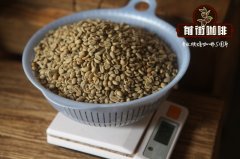
What are the flavor and taste characteristics of Brazilian coffee Santos coffee beans? Is the Brazilian coffee good?
Professional coffee knowledge exchange more coffee bean information please follow the coffee workshop (Wechat official account cafe_style) Brazilian coffee Santos coffee beans flavor and taste characteristics? Coffee beans-SANTOS, large, light green or yellowish beans, because local beans are mostly sun-treated, with brown cracks in the middle, and are almost always used for blending. Fragrance; fragrance

Description of the characteristics and Flavor of Brazilian Coffee beans Story Source of Brazilian Coffee production area
Brazil Hilado Coffee Bean characteristic Flavor description Taste treatment Variety producing region Brazil is vividly compared to the giant and monarch of the coffee world. There are about 3.97 billion coffee trees there, and small farmers now grow 75% of Brazil's total coffee production. Brazil produces twice or even three times as many coffee as Colombia, which is the second largest coffee in the world.

What famous coffee producing areas in Brazil are recommended by Brazilian coffee producing areas?
Professional coffee knowledge exchange more coffee bean information please follow the coffee workshop (Wechat official account cafe_style) Brazil coffee production area introduced Brazil coffee beans Brazil is the world's most important coffee producing area, accounting for the world's total output of 1 stroke 3, Brazil has 10 states produce coffee beans, due to regional and climate differences, the quality is inevitably good and bad, therefore, Brazilian coffee beans are divided into grades
Brazilian Coffee Manor with faint grassy fragrance introduction to Fine Coffee
Brazilian coffee generally refers to coffee produced in Brazil. There are many kinds of coffee in Brazil. Like other Arabica coffee, Brazilian coffee is called Brazilian coffee Brazils to distinguish it from Milds coffee. The vast majority of Brazilian coffee is unwashed and sun-dried and is classified according to the name of the state of origin and port of transport. Brazil has 21 states and 17 states produce coffee, but among them

Brazilian Coffee Coffee from Hillado, Brazil, Mojiana, Brazil, Santos, Brazil
Communication of professional baristas Please follow the coffee workshop (Wechat official account cafe_style) Brazil Coffee mentions the origin of coffee, the first thing that comes to mind is Brazil in South America, because it is the largest coffee producer in the world. There is a wide variety of Brazilian coffee, the vast majority of which are unwashed and sun-dried, classified according to the name of the state of origin and the port of transport. Brazil has 2.

An introduction to the characteristics of Brazilian coffee boutique coffee bean flavor and taste manor with endless coffee plantations
There are many large farms in Brazil, which run endless coffee plantations. They use machines to harvest and dry them. They are so efficient in automation that they regard coffee as a general agricultural material and completely abandon the flavor and flavor. As a result, many select coffee companies simply do not sell Brazilian beans so as not to demean themselves. In select coffee shops, Santos in Brazil still appears occasionally.

Introduction of coffee beans and some boutique coffee in the main producing areas of coffee beans in the world (1)
Introduction of coffee beans and some boutique coffee in the main coffee producing areas of the world: South America

Introduction to the characteristics of varieties produced by the method of grinding scale flavor description of Brazilian coffee beans
Old bourbon coffee is grown on some estates in the Serrado district of Minas Greais state in southeastern Brazil. Old varieties of bourbon coffee grown on these estates, such as Capin Branco and Vista Allegre, are also sold on the market. Although they come from the same area, these coffees have their own characteristics.

Introduction of Brazilian Coffee Brand characteristics, Flavor description, Price, taste and Fine Coffee
Other kinds of Brazilian coffee, such as Rio and Parana, can be produced in large quantities because they do not need too much care. Although they taste rough, they can be regarded as a kind of good and cheap coffee. Because they are distributed all over Brazil and their solid quality varies, they have their own standards (NO.2~NO.8 according to the number of sundries, NO.13~NO.19 according to the size of beans, and six according to taste).

Flavor description of Yellow bourbon Coffee in Queen's Manor of Brazil introduction of Grinding scale varieties
Grinding: coffee makes the greatest sacrifice to break into pieces in order to blend with water. Before brewing coffee, the beans must be ground into fine grains to increase the contact area between water and coffee in order to extract the delicacy. In fact, the bean grinder is more important than the coffee machine. At present, most people choose the sawtooth grinder because it can grind uniform coffee powder quickly and steadily. Sawtooth
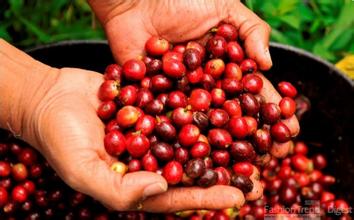
Flavor Description of Brazilian South Minas Coffee Bean Grind Scale Processing Taste
Coffee production has gradually become a science since the coffee tree was introduced from Guyane française in 1720. Before 1990, the Brazilian government strictly monitored the coffee industry, with both severe intervention and price protection measures, and the state has always implemented minimum price protection measures for farmers.
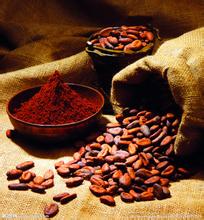
Brazilian coffee beans Santos Ethiopia Jimamoca coffee beans
Brazilian raw coffee beans are classified into 7 grades of N0.2No.8 according to the number of defective beans and sundries. The smaller the number, the higher the grade, and No.2 is the highest grade. According to the size of the particles, it is divided into 9 grades of S12S20, the larger the number, the bigger the particles, the higher the grade. S20 is the largest particle. Brazilian coffee generally refers to coffee produced in Brazil. There are many kinds of coffee in Brazil, such as
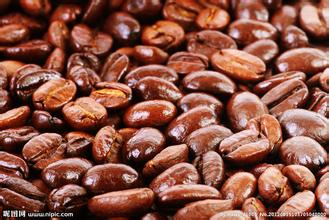
Introduction to flavor description and taste treatment of sun-dried yellow bourbon coffee beans in South Minas, Brazil
Flavor description of tanned Yellow bourbon Coffee beans in South Minas Brazil although coffee is diverse, Brazilian coffee is suitable for the taste of the public. For example, coffee produced in the northern coastal areas has a typical iodine taste, reminiscent of the sea after drinking. This coffee is exported to North America, the Middle East and Eastern Europe. There is also a kind of coffee that is interesting and worth pursuing that has been washed.